A surge protector (SPD) is a critical device used to protect electrical equipment from lightning overvoltage or switching overvoltage. Its core function is to limit transient overvoltages and dissipate surge currents, ensuring the safe operation of downstream equipment. The SPD's construction involves the coordinated operation of multiple key components, including the air terminal (AT), down conductor, surge suppression element, trip device, and enclosure structure.
First, the air terminal (AT) is the first line of defense in a lightning protection system. It typically consists of a metal conductor (such as a lightning rod or lightning strip) and is used to intercept direct lightning strikes and direct them to the ground. Within the SPD, the lightning termination function is typically achieved by highly conductive metal electrodes, ensuring that lightning current is quickly diverted to subsequent protection circuits.
Second, surge suppression elements are core components of SPDs. Common examples include metal oxide varistors (MOVs), gas discharge tubes (GDTs), and transient voltage suppressor diodes (TVSs). MOVs have nonlinear volt-ampere characteristics, presenting high impedance at normal voltages but rapidly conducting during overvoltage conditions, dissipating surge energy to ground. GDTs are suitable for higher-energy lightning strikes, providing overvoltage protection through gas discharge. TVS diodes offer fast response times and are suitable for transient protection of precision electronic equipment. The combination of these components directly impacts the protection level and response speed of the lightning arrester.
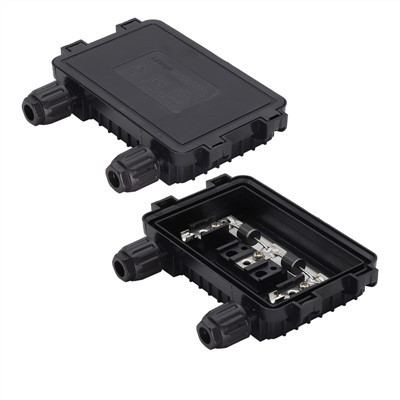
In addition, trip devices (such as thermal releases or fuses) interrupt the circuit in the event of surge component failure, preventing short circuits or fire risks. The enclosure is typically constructed of flame-retardant and weather-resistant materials (such as engineering plastics or metal) to ensure stable operation in harsh environments and provide reliable electrical isolation.
The assembly of a lightning arrester requires comprehensive consideration of the protection level, installation environment, and the characteristics of the protected equipment. Appropriate component selection and layout can significantly enhance lightning protection effectiveness and extend equipment life. With technological advancements, integrated and intelligent lightning protection solutions are becoming increasingly popular, further enhancing the safety of power and electronic systems.