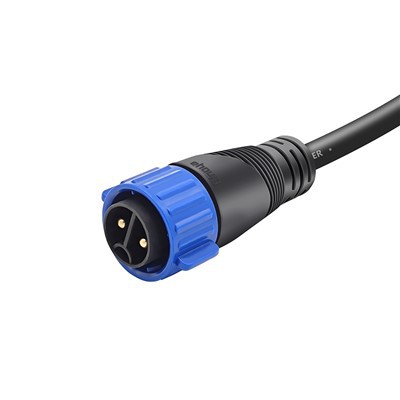
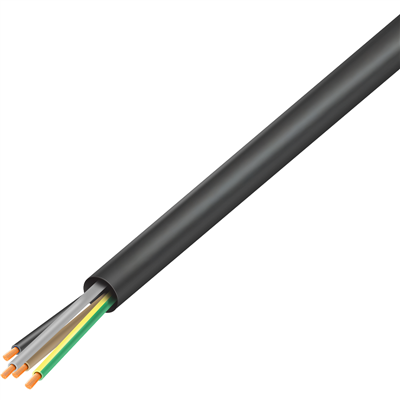
Power cords are the essential connection between electronic devices and the power source. Their safety and durability directly impact the proper functioning of the devices and the user experience. However, many people fail to properly care for their power cords during daily use, leading to premature aging, damage, and even safety hazards. Therefore, mastering proper daily power cord care is crucial.
I. Avoid Physical Damage
The most common problems with power cords are internal conductor breakage or insulation damage caused by external forces such as pulling, bending, or squeezing. To prevent this, follow these guidelines:
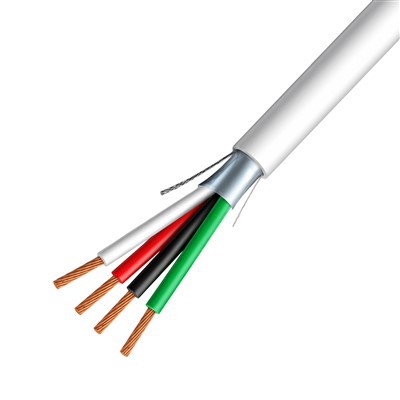
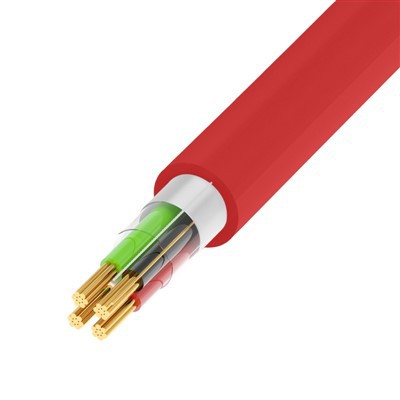
1. Avoid Excessive Bending: When plugging or unplugging the power cord, hold the plug, not the cord itself. Prolonged bending, especially repeated bending in the same spot, can easily break the internal copper conductor.
2. Protect the Power Cord from Pressure: The power cord should not be placed under heavy objects, especially for extended periods, as this can cause the insulation to crack or damage the conductors.
3. Keep the Power Cord Away from Sharp Objects: Keep the power cord away from sharp objects such as keys and knives to prevent scratches on the insulation, resulting in a short circuit or electrical leakage.
II. Keep the power cord dry and clean.
Prolonged contact with moisture or dirt can weaken the insulation of the power cord, increasing the risk of electric shock or short circuits. Therefore, during daily use, please note the following:
1. Avoid humid environments: Keep the power cord away from sources of water, such as sinks and bathrooms. If it gets wet, wipe it dry immediately and ensure it is completely dry before use.
2. Clean regularly: Gently wipe the surface of the power cord with a dry cloth to remove dust and stains. For stubborn dirt, use a small amount of neutral detergent, but be careful not to let the liquid seep into the plug or cord.
3. Protect against high temperatures: Keep the power cord away from high-temperature sources, such as heaters, to prevent accelerated aging of the insulation.
III. Proper plugging and unplugging and storage: Improper plugging and unplugging methods and careless storage can accelerate the wear of the power cord. Therefore, proper handling is essential:
1. Smooth plugging and unplugging: When plugging and unplugging the power cord, hold the plug firmly and avoid applying excessive force or shaking it side to side to avoid damaging the plug or the socket. 2. Avoid frequent plugging and unplugging: For devices used over a long period of time (such as desk lamps and chargers), minimize frequent plugging and unplugging unless necessary to extend the life of the plug and cord.
3. Proper Storage: When not in use, keep the power cord in a natural bend to avoid twisting or tangling. Use a cord clip or cord winder to help prevent damage from prolonged twisting.
IV. Regular Inspection and Replacement
Even with proper daily care, power cords will gradually deteriorate with long-term use. Therefore, it is recommended to regularly inspect the condition of the power cord and replace it promptly if any problems are found:
1. Observe the appearance: Inspect the power cord for cracks, bulges, discoloration, or softening, especially at the connection between the plug and the cord, which is most susceptible to damage.
2. Test the conductivity: If the power supply to the device is unstable or the plug is hot, it may be due to a broken conductor or poor contact within the power cord. Immediately remove the power cord from service and replace it.
3. Replace old power cords promptly: Even if there is no obvious damage to the power cord after using it for more than 3-5 years, it is recommended to replace it regularly to ensure safety.
Conclusion
Daily care for power cords may seem simple, but it directly impacts electrical safety and device lifespan. By protecting them from physical damage, keeping them dry and clean, plugging and unplugging them properly, and storing them properly, as well as regularly inspecting and replacing them, you can effectively extend their lifespan and reduce potential safety hazards. Developing good power cord care habits is not only about protecting your electronic devices, but also about your own safety.