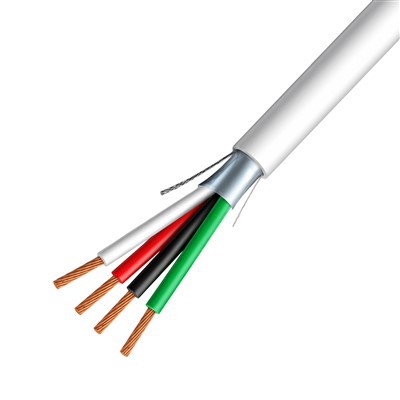
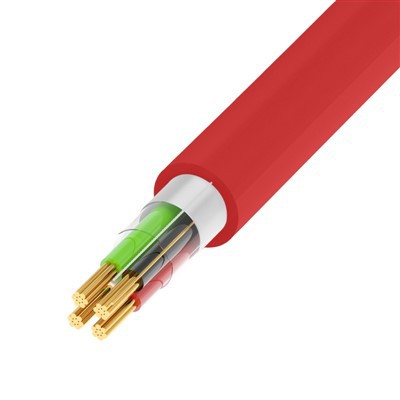
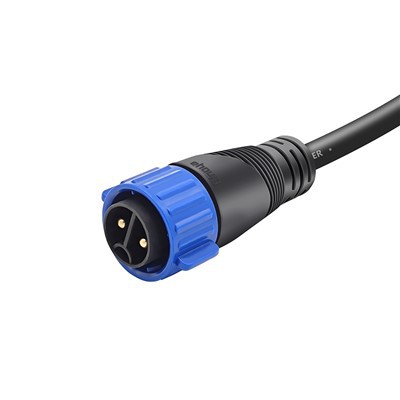
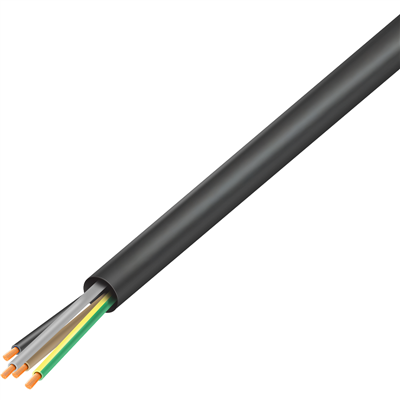
As a critical accessory for electronic and electrical equipment, power cord logistics and transportation present distinct industry characteristics, involving multiple factors such as safety, standardization, timeliness, and cost control.
From a product perspective, power cords are typically small and lightweight. However, as live electrical components, they must strictly adhere to electrical safety regulations during transportation to prevent damage to the insulation due to squeezing, bending, or moisture. Therefore, packaging is crucial, typically using anti-static materials, wrapping, or individual packaging to ensure safe transportation. Furthermore, differences in voltage standards (such as 110V vs. 220V) and plug types across different countries and regions necessitate that power cord logistics meet the compliance requirements of the target market. Some countries even require additional certification documents (such as CE and UL), adding to the complexity of logistics.
In terms of logistics models, power cord transportation encompasses both ocean or rail transport for bulk shipments (such as factory exports) and express or air freight for e-commerce orders. Ocean freight offers low costs but long lead times, making it suitable for non-urgent, large-volume orders. Air freight is fast but expensive, making it suitable for high-value or urgent replenishment orders. Express delivery, on the other hand, directly targets end consumers, emphasizing delivery timeliness and a positive customer experience. In recent years, the rise of cross-border e-commerce has driven power cord logistics toward smaller batches and larger batches, placing greater demands on flexibility in warehousing, sorting, and final delivery.
Furthermore, power cord logistics must consider reverse logistics issues, such as returns, exchanges, and the recycling of defective products. Because power cords may pose electrical safety risks, the reverse process requires rigorous inspection to prevent potential secondary circulation hazards.
In summary, power cord logistics combines common characteristics with unique challenges in electronic component transportation. Practitioners must optimize management across packaging, regulatory compliance, transportation methods, and after-sales service to balance efficiency, cost, and safety.