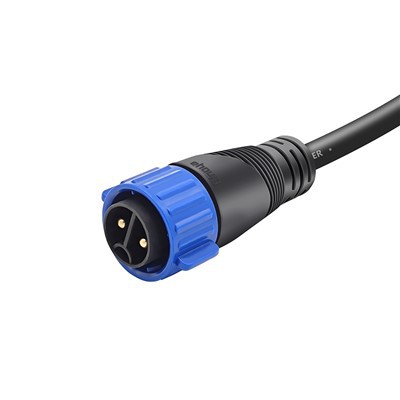
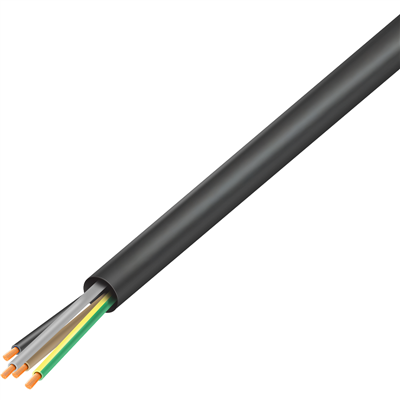
In today's world, where electronic devices are ubiquitous, power cords, as a fundamental yet often overlooked component, silently shoulder the critical mission of energy transmission. These seemingly simple cables are in fact the "vascular system" that keeps the digital age running, and their importance is growing with the proliferation of electronic devices.
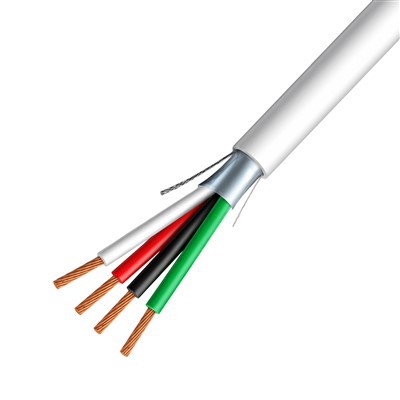
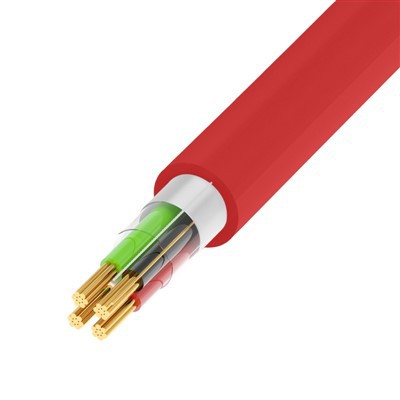
Technically, modern power cords are far more than ordinary wires. High-quality power cords are encased in multiple layers of insulation. The purity of the inner copper core directly affects electrical conductivity, while the outer anti-interference shielding effectively reduces electromagnetic radiation. Different devices have varying requirements for power cords: laptop adapters must be lightweight and flex-resistant, while industrial equipment requires cables with higher current carrying capacity and abrasion resistance. Standards such as 60320 developed by the International Electrotechnical Commission (IEC) ensure basic compatibility of power cord connectors worldwide.
Safety is a core consideration in power cord design. Overheat protection, short-circuit protection, and flame-retardant materials significantly reduce the risk of electrical fires. Details often overlooked by consumers-such as the integrity of the grounding terminal on the plug and the reinforced bends in the cord-often determine safety. It's important to be vigilant that non-original or low-quality power cables can damage devices and even cause electric shock.
With technological advancements, new power cables are breaking through traditional limitations. USB-PD fast-charging cables integrate data transmission with efficient power supply. While wireless charging technology reduces reliance on physical cables, high-power scenarios still require reliable wired connections. In the future, smart power cables may integrate current monitoring functions, leveraging IoT technology to provide power safety warnings.
This "lifeline" carrying electricity reminds us that while pursuing technological convenience, we shouldn't neglect the quality of basic components. Choosing power cables that meet standards and regularly inspecting for signs of degradation is not only a way to protect your electronic devices, but also a way to ensure your personal safety.