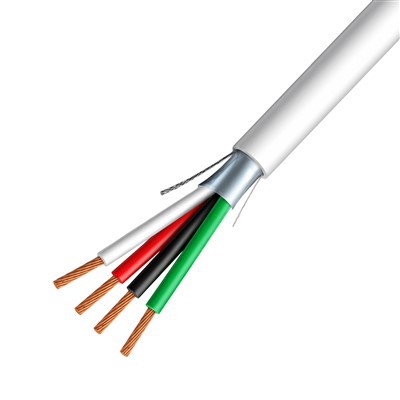
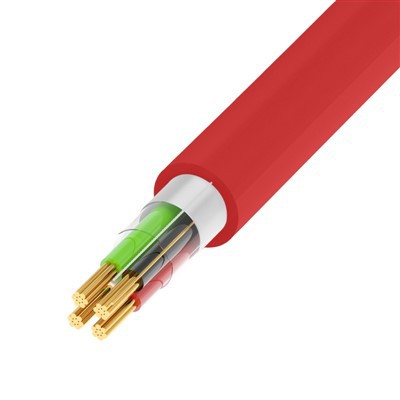
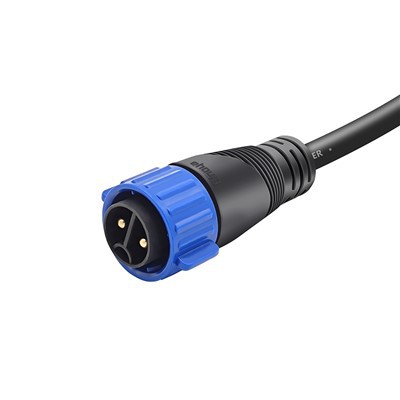
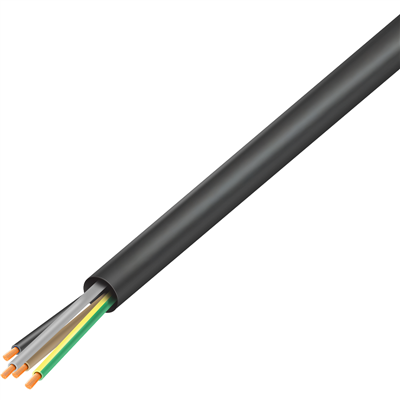
In modern automotive manufacturing, automotive cables are a key component of the electrical system, and their performance directly impacts vehicle safety, reliability, and intelligence. As the automotive industry rapidly evolves toward electrification and intelligentization, the technical standards of automotive cable products are constantly improving, demonstrating multiple key characteristics.
First, automotive cables possess excellent durability and environmental adaptability. Automobiles operate in complex environments, subjecting them to multiple challenges such as high and low temperatures, humidity, and vibration. High-quality automotive cables utilize specialized insulation materials and sheathing designs to ensure stable performance in extreme temperatures. They also offer aging and corrosion resistance, effectively extending their service life. For example, some products operate within a wide temperature range of -40°C to 125°C, meeting the needs of diverse climates.
Second, automotive cables emphasize high safety and low resistance. As the carrier of current, their electrical conductivity directly impacts the efficiency of electrical equipment. High-quality automotive cables utilize optimized conductor materials and cross-sectional design to reduce resistance and minimize energy loss.
At the same time, they offer excellent insulation properties to mitigate the risk of short circuits or leakage, providing reliable protection for drivers and passengers. Furthermore, automotive wiring is trending towards lightweighting and high integration. To meet the increased range requirements of new energy vehicles, lightweight design is becoming a trend. Thinner wires or new alloys are being used to reduce weight while maintaining performance. At the same time, modular wiring harness solutions are becoming increasingly popular, streamlining assembly processes and improving production efficiency.
In the international market, automotive wiring products must also comply with stringent environmental standards, such as RoHS and REACH regulations, to ensure the release of no harmful substances and meet the sustainable development needs of global customers. In the future, with the widespread adoption of intelligent driving and connected vehicle technologies, automotive wiring will further integrate signal transmission and power delivery functions, becoming a critical foundational component driving the automotive industry's upgrades.