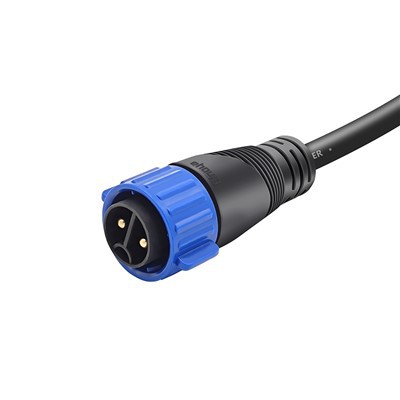
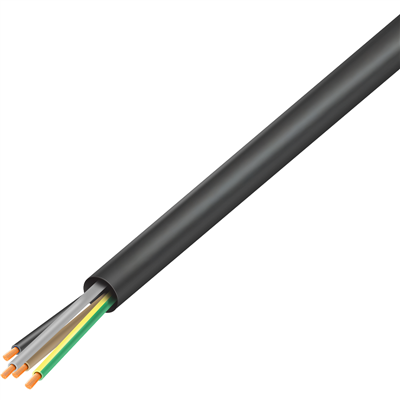
As a core component of a vehicle's electrical system, automotive cables perform critical functions such as power transmission and signal control. With the continuous development of the global automotive industry, automotive cable classification is becoming increasingly refined to meet the needs of different vehicle models, powertrains, and functional requirements. Understanding the classification of automotive cables is crucial for foreign trade companies to accurately meet international market demand and optimize product supply.
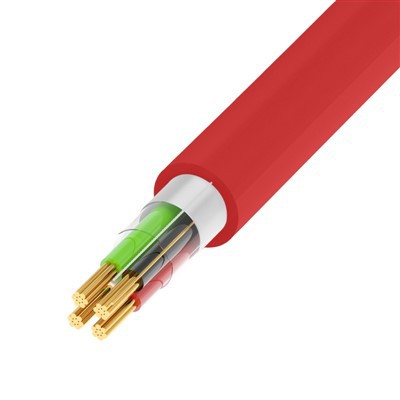
Based on their use and structure, automotive cables are primarily categorized as low-voltage and high-voltage cables. Low-voltage cables, typically with voltages below 60V, are widely used in lighting, instrument panels, sensors, and other systems in traditional fuel-powered vehicles. These cables require high flexibility, corrosion resistance, and temperature tolerance. Common types include AV cables and AVS cables. High-voltage cables, on the other hand, are primarily used in new energy vehicles, particularly pure electric and hybrid vehicles, to transmit high currents between the battery pack and the motor and electronic control system. High-voltage cables require superior insulation performance, high-temperature resistance, and electromagnetic interference immunity to ensure safety and reliability.
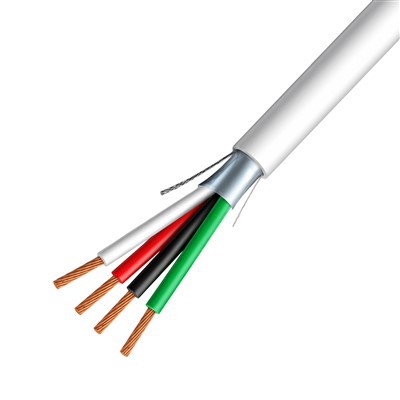
Automotive cables can also be categorized by function as signal cables or power cables. Signal cables, such as the CAN bus and LIN bus, are primarily used to transmit control signals, placing stringent demands on data transmission stability and interference resistance. Power cables directly carry high currents, providing power to automotive electrical equipment. Their cross-sectional area and conductivity directly impact the efficiency of the vehicle's electrical system.
In international trade, automotive cable standards vary significantly across countries and regions, such as the EU's ECE certification, the US's SAE standards, and China's GB standards. Foreign trade companies must thoroughly understand the regulatory requirements of their target markets to ensure their products comply with local technical specifications and provide customized solutions tailored to customer needs.
Understanding the classification and characteristics of automotive cables can help foreign trade companies accurately position themselves in the market, enhance product competitiveness, and ultimately gain a more advantageous position in the global automotive supply chain.