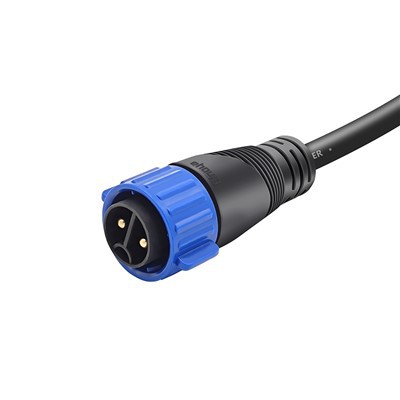
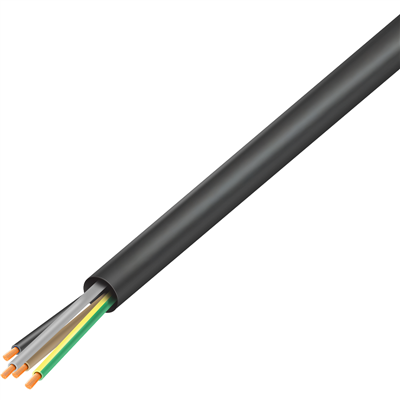
As a crucial component of the automotive electrical system, automotive cables undertake the core functions of power transmission and signal control. With the rapid development of the automotive industry, especially the rise of new energy vehicles and intelligent driving technologies, the technical standards and application requirements for automotive cables are constantly evolving.
From traditional fuel vehicles to electric vehicles, the application scope of automotive cables is expanding. In traditional vehicles, automotive cables are primarily used to transmit power for engine control systems, lighting systems, instrument clusters, and in-car entertainment systems. In new energy vehicles, high-voltage wiring harnesses are key components, responsible for transmitting the high voltage of the battery to the motor while ensuring current stability and safety. Furthermore, automotive cables are widely used for signal transmission between sensors, controllers, and communication modules, forming the foundation for intelligent and connected vehicles.
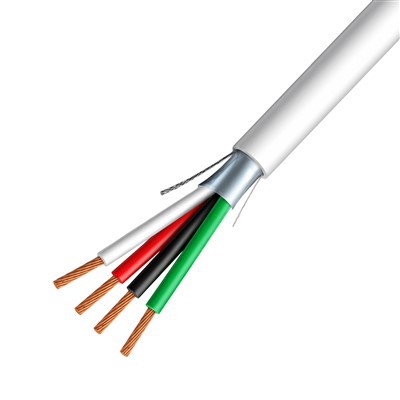
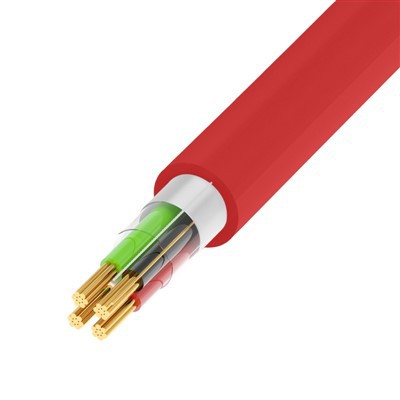
The performance of automotive cables directly impacts the reliability and safety of the entire vehicle. High-quality automotive cables must possess excellent conductivity, high-temperature resistance, anti-interference capabilities, and resistance to wear and oil. Regarding material selection, copper conductors are widely used due to their excellent conductivity, while insulation layers are typically made of high-temperature-resistant PVC, cross-linked polyethylene, or silicone to adapt to the requirements of different environments. Furthermore, shielding design for automotive wiring is crucial, effectively reducing electromagnetic interference and ensuring accurate signal transmission.
With the increasing electronicization of vehicles, the design and manufacturing processes of automotive wiring are also undergoing continuous innovation. Lightweighting, miniaturization, and high integration are becoming development trends to reduce energy consumption and improve space utilization. Simultaneously, the application of automated production technologies has improved the production efficiency and quality stability of automotive wiring, meeting the stringent standards of global automakers.
As a fundamental component in the global automotive industry chain, automotive wiring technology advancements and quality improvements have a significant impact on the performance of the entire vehicle. In the future, with the deepening development of electrification, intelligentization, and connectivity, automotive wiring will continue to evolve towards higher performance and greater reliability, providing solid support for innovation in the automotive industry.