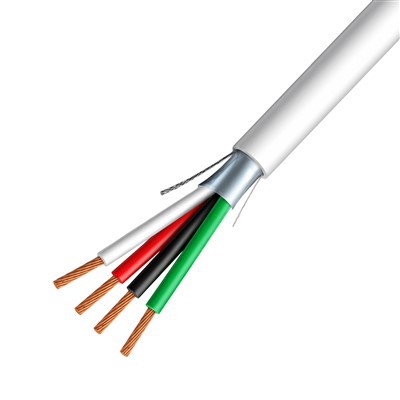
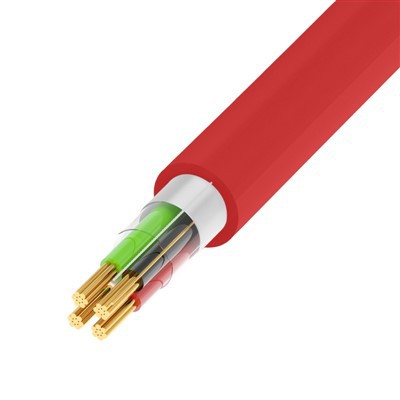
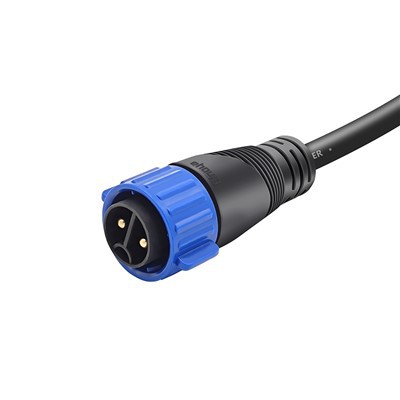
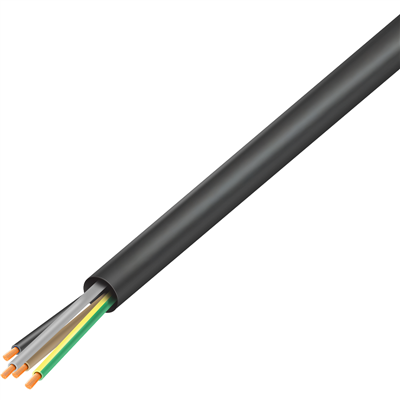
As a supplier of CAT5E Lan Cables, I've seen firsthand how easily these cables can get damaged. Physical harm to CAT5E cables can lead to all sorts of network issues, like slow speeds, intermittent connections, or even a complete network breakdown. So, I'm here to share some tips on how to protect your CAT5E Lan Cables from physical damage.
Proper Installation
The first step in protecting your CAT5E cables starts with proper installation. When you're setting up the cables, make sure you're not bending them too tightly. CAT5E cables have a minimum bend radius, and if you bend them beyond this limit, it can cause internal damage to the copper wires inside. A good rule of thumb is to avoid bending the cable at an angle sharper than 90 degrees, and keep the radius of any bends at least four times the diameter of the cable.
Also, when you're running the cables through walls, ceilings, or floors, use proper cable channels or conduits. These act as a physical barrier, protecting the cables from being crushed or cut by other objects. For example, in a commercial building where there might be a lot of construction or maintenance work going on, cable conduits can prevent accidental damage from tools or equipment.
Avoiding Over - Pulling
Another common cause of physical damage to CAT5E cables is over - pulling. When you're pulling the cables to place them in the desired location, don't use excessive force. Over - pulling can stretch the copper wires inside the cable, which can degrade the cable's performance over time.
To avoid over - pulling, use a cable pulling tool. These tools are designed to evenly distribute the pulling force along the length of the cable, reducing the risk of damage. If you're working on a large - scale installation project, it might be a good idea to hire a professional installer who has experience in handling and pulling cables correctly.
Protecting from Environmental Factors
Environmental factors can also cause physical damage to CAT5E cables. Moisture is one of the biggest enemies of these cables. Water can corrode the copper wires inside the cable, leading to signal loss. To protect against moisture, use cables that have a moisture - resistant outer jacket.
In areas where there's a high risk of moisture, like basements or outdoor installations, you might want to consider using a cable with an additional waterproof layer. Also, make sure to seal any cable entry points to prevent water from seeping in.
Temperature can also affect the performance and physical integrity of CAT5E cables. Extreme heat can cause the cable's insulation to melt, while extreme cold can make the cable brittle. If you're installing cables in an environment with extreme temperatures, look for cables that are rated for those temperature ranges.
Securing the Cables
Once the cables are installed, it's important to secure them properly. Loose cables can be tripped over or accidentally pulled, leading to damage. Use cable ties or clips to fasten the cables to walls, floors, or ceilings. Make sure the ties or clips are not too tight, as this can also damage the cable.
In areas where there's a lot of foot traffic, like offices or public spaces, consider using cable covers. These are protective mats or channels that you can place over the cables to prevent them from being stepped on or run over by equipment.
Regular Inspections
Regular inspections are crucial for detecting and preventing physical damage to CAT5E cables. Set up a schedule to check the cables for any signs of wear and tear, such as frayed jackets, exposed wires, or kinks. If you notice any damage, replace the cable immediately to avoid network issues.
During the inspection, also check the cable connectors. Loose or damaged connectors can cause poor signal quality. Make sure the connectors are properly seated and tightened.
Using Protective Accessories
There are several protective accessories available in the market that can help safeguard your CAT5E cables. For example, cable boots can be used to protect the cable where it connects to a device. These boots provide extra support and prevent the cable from bending at a sharp angle near the connector.
Cable sleeves are another useful accessory. They can be slipped over the cable to provide an extra layer of protection against abrasion, cuts, and impact.
Upgrading When Necessary
If you're experiencing frequent cable damage or if your network requirements have changed, it might be time to consider upgrading your cables. For instance, if you need higher bandwidth and better performance, you could look into CAT6A Network Cable. CAT6A cables offer improved performance compared to CAT5E cables and are more resistant to interference and physical damage.
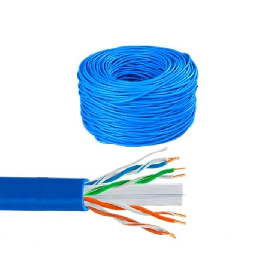
You might also consider 1000FT CAT6 Ethernet Cable or 305M Network Cable if you need longer cable runs. These longer cables are designed to maintain signal integrity over greater distances, reducing the need for multiple cable connections that can be a source of potential damage.
Conclusion
Protecting your CAT5E Lan Cables from physical damage is essential for maintaining a reliable network. By following these tips on proper installation, avoiding over - pulling, protecting from environmental factors, securing the cables, conducting regular inspections, using protective accessories, and upgrading when necessary, you can extend the lifespan of your cables and ensure optimal network performance.
If you're looking to purchase high - quality CAT5E Lan Cables or any of the other cable products mentioned, I invite you to contact me for more details and to discuss your specific requirements. I'm here to help you find the best solutions for your network needs.
References
"Network Cabling Installation Guide" by a leading networking equipment manufacturer
Industry whitepapers on cable protection and maintenance
About Linoya
Linoya is a professional manufacturer of network cables equipped with complete professional testing equipment. We cooperate with world-renowned testing instrument brands to supply high-performance cabling products and services to customers worldwide.