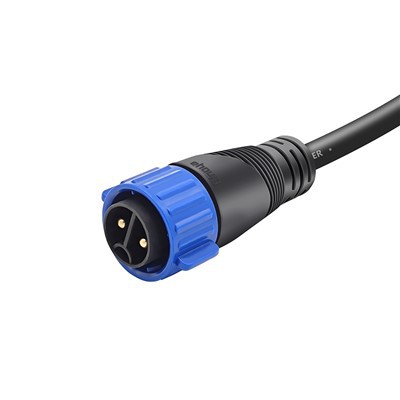
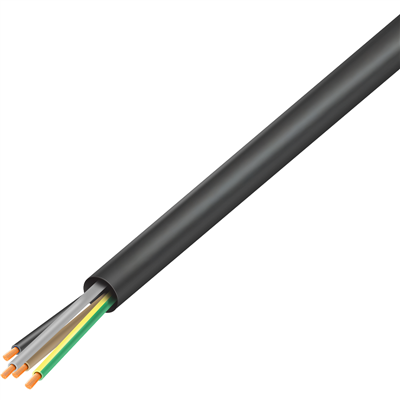
As key, fundamental components in electronic systems, connectors perform the crucial functions of current and signal transmission and interaction. They are widely used in consumer electronics, automotive manufacturing, communications equipment, industrial automation, and medical equipment. With the acceleration of global digitalization and intelligentization, the connector industry is ushering in a new round of technological innovation and growing market demand.
From an industry perspective, the development of connectors has always been closely linked to the evolution of electronic technology. Early connectors were primarily used for simple circuit connections. Today, with the rise of emerging technologies such as 5G communications, new energy vehicles, and the Internet of Things, connectors must not only meet higher transmission speed and stability requirements but also maintain durability and miniaturization in complex environments. For example, high-frequency and high-speed connectors are key components in 5G base station construction. In the new energy vehicle sector, high-voltage and high-current connectors directly impact vehicle performance and safety. Furthermore, the advancement of Industry 4.0 has necessitated a more significant role for connectors in smart manufacturing, requiring them to possess stronger anti-interference capabilities and modular designs.
The significance of the connector industry lies not only in its technological capabilities but also in supporting the coordinated development of the industrial chain. As the "nerve hub" of electronic equipment, connector reliability directly impacts the performance and lifespan of end products. Within the supply chain, connector manufacturers often need to work closely with chip, wiring harness, and terminal device manufacturers to jointly optimize design solutions and improve overall system efficiency. Simultaneously, innovation in the connector industry is driving advancements in related technologies such as materials science and precision manufacturing. For example, nano-coating technology and miniaturized stamping processes are being applied in connector R&D.
In the future, with the implementation of emerging concepts such as artificial intelligence and the metaverse, connectors will face challenges in achieving higher bandwidth, lower latency, and greater environmental adaptability. Industry participants must continue to increase R&D investment and promote the parallel development of standardization and customization to meet diverse market demands. While small, connectors are an indispensable cornerstone of the electronics industry, and their development directly reflects the overall competitiveness of a country's electronics manufacturing industry.