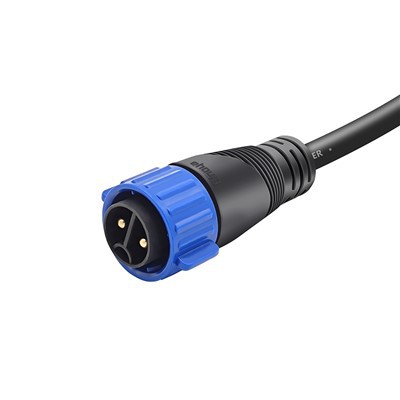
As a key component in electronic systems, connectors perform the core function of signal and power transmission. Their technological development directly impacts the miniaturization, high-speed, and reliability of electronic devices. In recent years, with the rapid development of 5G communications, new energy vehicles, industrial automation, and other fields, connector technology has ushered in a new round of innovative breakthroughs.
In the field of materials science, the development of high-performance alloys and composite materials has significantly improved connector conductivity, high-temperature resistance, and corrosion resistance. For example, the use of new copper alloys enables connectors to maintain lower signal attenuation in high-frequency environments, while the introduction of nano-coating technology further enhances connector wear resistance and oxidation resistance. Furthermore, the demand for lightweight design is driving the use of low-density materials such as magnesium-aluminum alloys in some applications, reducing overall weight while maintaining mechanical strength.
In terms of structural design, miniaturization and high-density integration are becoming key trends. As the size of electronic devices continues to shrink, connector manufacturers are optimizing terminal layouts and contact structures to achieve reliable connections at smaller pitches. Furthermore, the widespread adoption of modular design concepts allows connectors to flexibly adapt to different application scenarios. For example, pluggable backplane connectors support hot-swappability, significantly improving system maintenance efficiency. High-speed transmission technology is another major research hotspot. To meet the demand for data rates exceeding 800Gbps, differential signal pair layout, impedance matching, and electromagnetic shielding techniques are continuously optimized to effectively reduce crosstalk and signal distortion. Some cutting-edge research explores the potential of optical connectors for short-distance communications, aiming to overcome the bandwidth limitations of traditional electrical connectors.
In the future, connector technology will expand towards intelligent and green features. Smart connectors with integrated sensor components can monitor parameters such as temperature and vibration in real time, providing data support for device status diagnosis. The promotion of environmentally friendly materials and lead-free soldering processes aligns with global sustainable development requirements. Industry forecasts indicate that by 2030, the high-end connector market is expected to exceed US$100 billion, with technological innovation becoming a core competitive driver.